 Loren Henry: As CEO of Urban Circle Newport, I am instrumental in establishing a strong organisational reputation as a champion of black, Asian and minority ethnic communities. I was recently awarded Visiting Fellow of USW, recognising my expertise in leading anti-racist and anti-discriminatory work. I am also a member of the Anti-racist Wales External Accountability Group.
 Lisa Taylor: I am Director of Education in the Faculty of Life Sciences and Education at the University of South Wales. I lead on the continuous development of the University of South Wales (USW) Initial Teacher Education Partnership.
We (Loren and Lisa) have written this blog post to capture our partnership journey, share some of our learning from developing our partnership between Urban Circle Newport and The University of South Wales, and the impact it has had upon the well-being and development of our staff, partners, and students.
Background and context
Effective collaboration and engagement are at the heart of the University of South Wales’ (USW) core purpose. USW has developed a reputation for engaging in collaborative partnerships with organisations in the private, public, and third sectors to address local and national challenges, and make a real difference to people's lives.
One such valued partnership is with Urban Circle Newport (UCN) which was formalised by the signing of a Memorandum of Understanding (MoU) in January 2023. As one of the few organisations representing young black and Asian people in Newport, UCN actively promotes young people’s voices and facilitates the process of speaking out and challenging injustice.
UCN had been working with the Youth and Community Work team at USW and provides work placement setting, with the advantage of staff and qualified ex-students working as supervisors to trainee youth workers. In August 2022, we were very fortunate to be introduced to each other as UCN moved into the open plan office where the initial teacher education (ITE) team is based. UCN’s passion and commitment to social justice were evident as they talked about the creative opportunities that they facilitate for young people and their communities. These young people have been upskilled and empowered to answer their own questions about their identity and heritage through making two remarkable documentaries: Wales Untold and Humanitree.
Collaborating to address challenges and elicit change
In 2022, the Anti-Racist Wales Action Plan called upon ITE partnerships and schools to be allies in tackling “broken systems” and “taking responsibility for actively making the necessary changes” (Welsh Government, 2022, p.16). The plan challenges us all to work with “the considerable strengths and leadership of ethnic minority people” to make “a positive and lasting difference.” (Welsh Government, 2022, p.15). We discussed how UCN could share their lived experience, combined with academic knowledge, to support USW in navigating the changing racial landscape, deliver a social justice agenda locally and nationally, and support students and educators to think and act in an anti-discriminatory and anti-oppressive way.
At the MoU signing, Mick Conroy, Youth and Community Work senior lecturer, spoke about the partnership between UCN and USW being an equal one. And that is exactly what it is. Educators learn from UCN’s creativity, passion, expertise, lived experience, and commitment to serving young people and their communities. UCN provide guidance and support to USW in matters concerning black history, anti-discrimination resources, materials, and workshops and share their learning, experiences and research with colleagues at internal and external conferences. Moreover, formalising the partnership ensured a positive future for the charity's Training and Development Strategy.
Faces
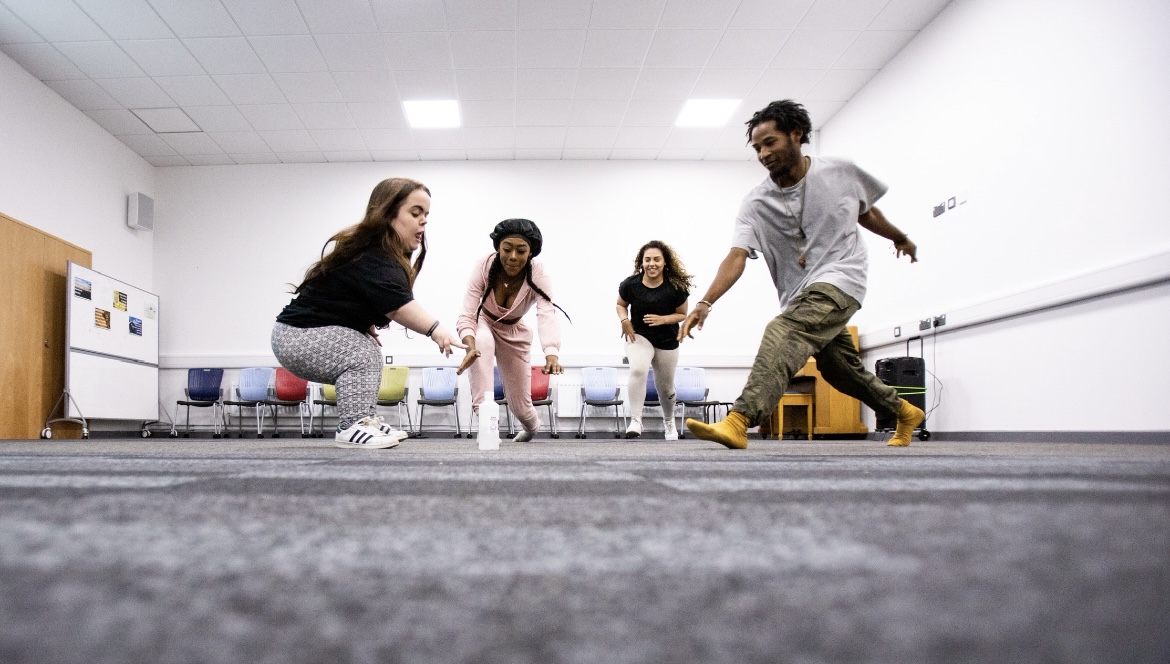 As educators, we recognised how valuable the high-quality documentaries Wales Untold and Humanitree would be as professional learning resources for teachers of all age phases. We could see how they could facilitate critical conversations about race, diversity, inclusivity, heritage, true history (like authentic conversations about Cynefin), and identity to develop a shared understanding and sense of belonging in classrooms. The funding secured to create these rich documentaries had run out, so there was no resource to feed them forward. Together, we approached Welsh Government for funding to create professional learning resources for teachers and were directed to DARPL and the inspirational Chantelle Haughton. After some deep, philosophical and heart-warming meetings, we were awarded a pot of funding to create anti-racist professional learning resources based on Wales Untold and Humanitree. UCN also secured funding from USW to develop resources to facilitate anti-racist workshops across USW. Strong relationships were being built internally and externally on trust, mutual support and respect.
Spaces
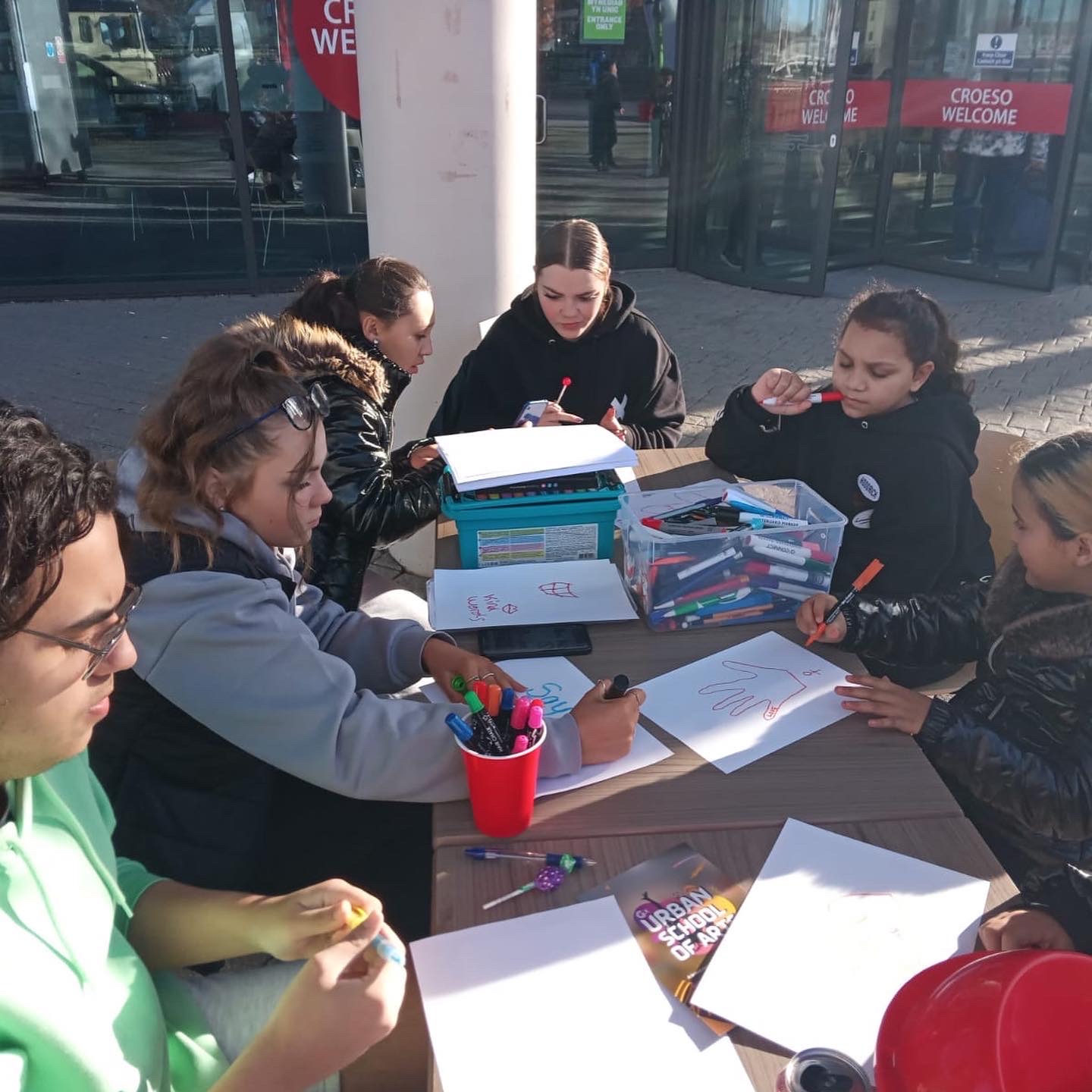 Brave spaces. Conversations began with a group of teacher educators and UCN leaders looking collaboratively at the initial teacher education curriculum and asking honest questions about how diverse and inclusive our curriculum and resources are. UCN led anti-racist practice workshops for ITE staff and students. Student teachers were invited to a performance of Urban School of Arts, a show written and performed by young people about the realities of growing up in inner city Newport. The show was followed by a Q&A session where student teachers could ask questions to the young people.
Brownsword (2019) argues that many trainee teachers lack an understanding of their own white privilege. Quality training in race and diversity will allow them to challenge racial perceptions and encourage them to explore and address barriers in schools. We don’t know what we don’t know, but we acknowledge this through working with UCN to collaboratively create brave spaces for honest discussions, exploration and learning to take place. Davies (2021) proposes that the notion of race within education is so intricate that it is often deliberately avoided, which weakens the potential impact on future teachers and the education system. We knew this needed to change, one critical conversation and one brave space at a time. Compassion, empathy and mutual understanding are developing. As Loren says, “Real is real”.
Places
UCN is committed to providing places to support young people, families, and communities and giving them opportunities to thrive. The university provides a base for UCN, and UCN can book teaching rooms, lecture theatres, the dance studio, and media suites for sessions and events. Together, we take action to enable the community to see the university as a place where they belong. We raise aspirations, empower young people to achieve qualifications and outcomes, and grow new leaders who see the university as their place.
What next?
We will continue working in partnership to achieve our vision, to develop and share resources and to provide professional learning for our students, staff and partnership. However, this is a long process, it is not a quick fix. It is gwaith calon (heart work), and there are many barriers and challenges to overcome. We value the strength of our relationships, mutual understanding, and trust in taking small but important steps to elicit change. And we are seeing change. Real is real.
As Chantelle quoted when she closed the DARPL National Leadership conference in June, 2023:
“We are not a drop in the ocean, we are the ocean in one drop.” Rumi (13th C)



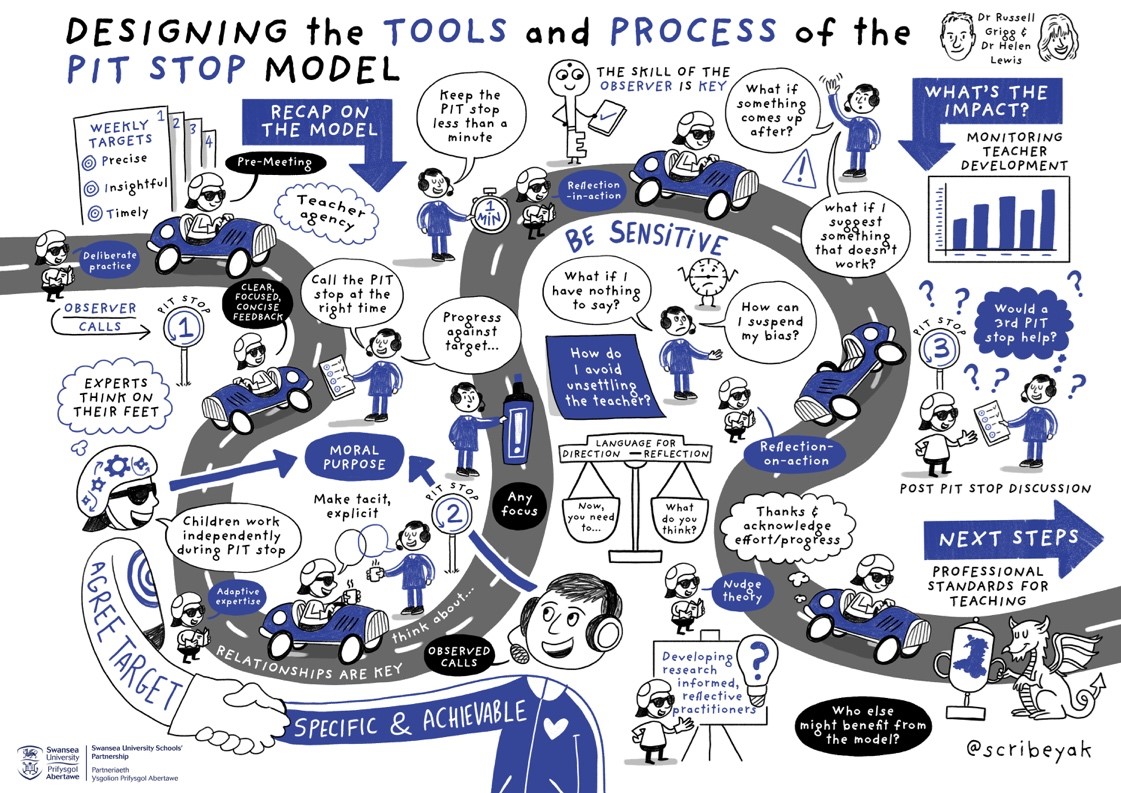 At Swansea University, we have recently piloted a model among our primary PGCE student teachers to support such reflection-in-action. It is informed by Schön's seminal work, as well as a range of other theories and concepts.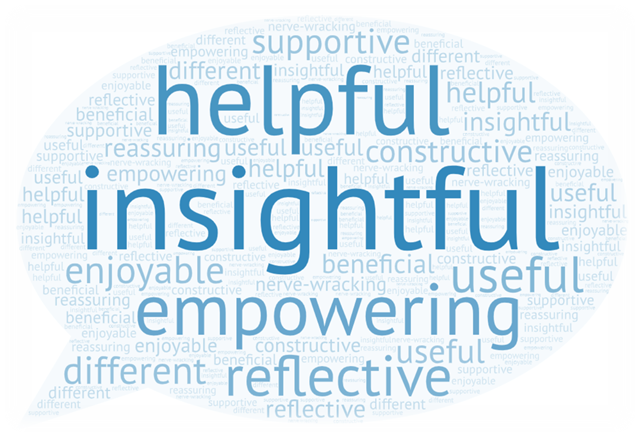
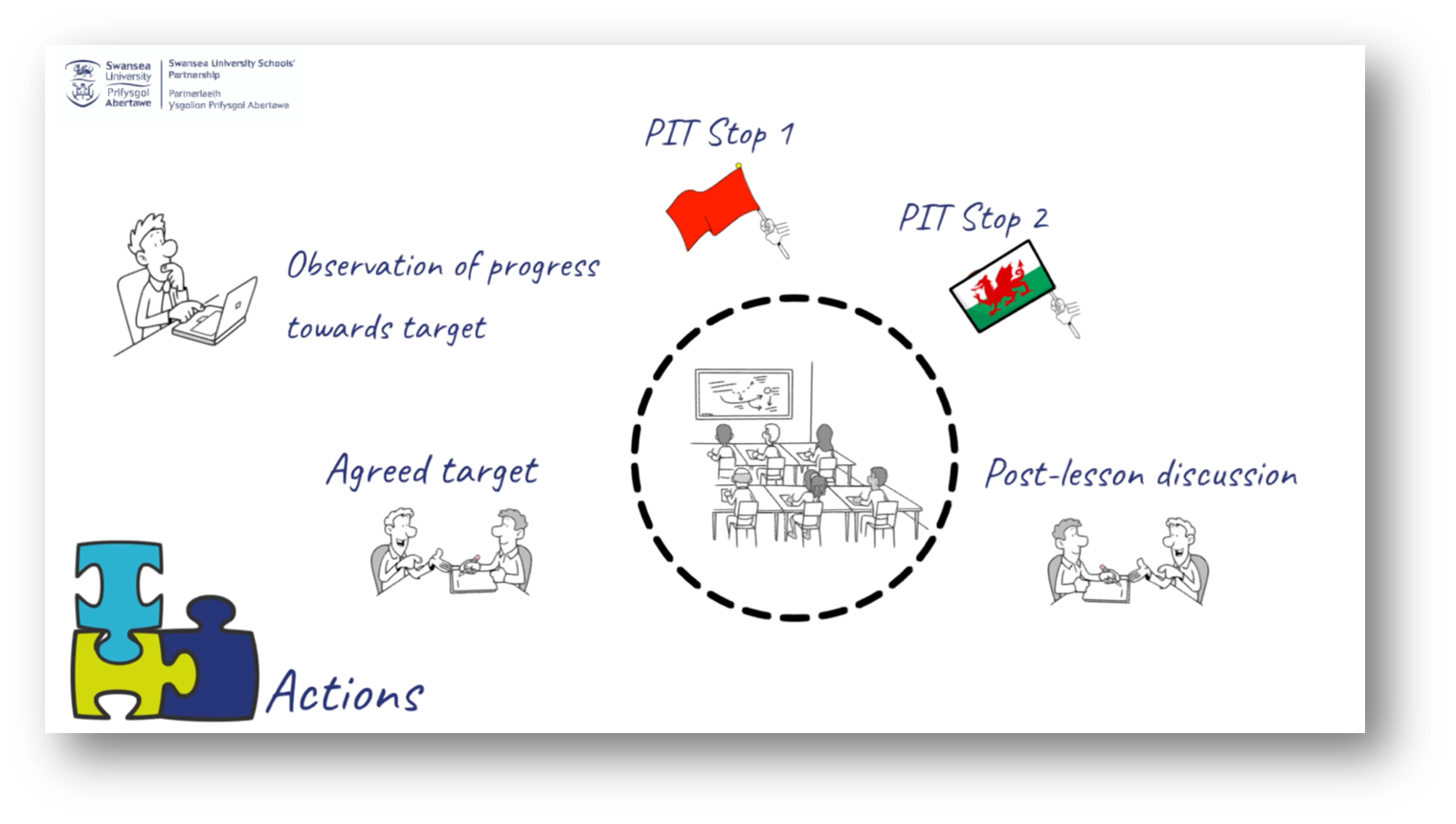 There was unanimous agreement that the success of PIT Stop rests on relationships between mentor and mentee, the quality of questioning and interaction, framing the dialogue around a developmental, non-judgemental narrative, and close liaison between university and partner schools. The post-lesson discussion was key to facilitating reflection-on-action.
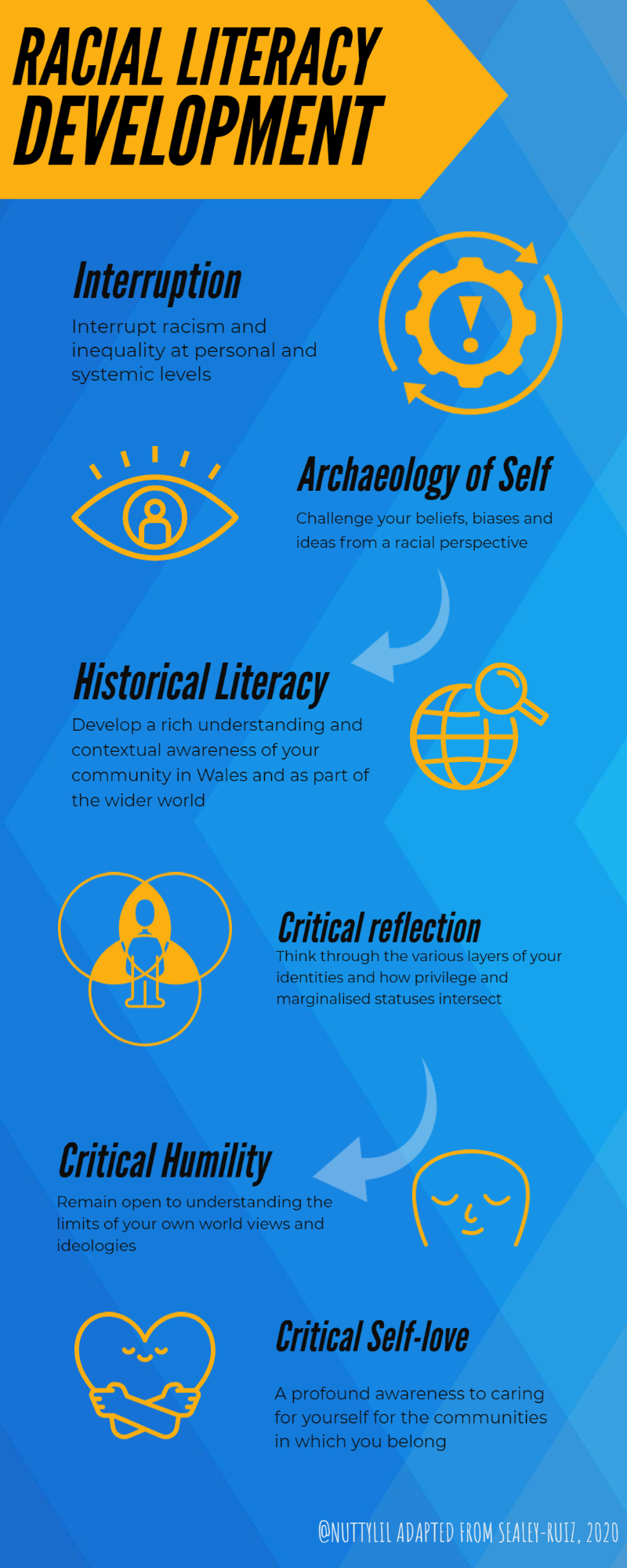 In 2021, Welsh Government accepted all 51 recommendations of the Williams review